

Quick answer
The krka entrance fee for adults in peak season is 40 EUR, covering unlimited access to park trails, Skradinski Buk boardwalks, and all boat and bus transfers between entry points and waterfalls. Off-peak rates drop significantly, and children under seven enter free year-round. The ticket is valid for the day of purchase and includes all mandatory transport segments within the park boundaries.
Krka operates as a managed conservation zone where ticket revenue funds trail maintenance, ranger patrols, and ecosystem monitoring across 109 square kilometers of karst river valley. The park gates close vehicular access at designated checkpoints, funneling visitors through controlled entry stations where staff verify tickets and distribute route maps. This containment model keeps foot traffic predictable and prevents unauthorized camping or off-trail damage to fragile tufa formations that define the Krka canyon. The krka entrance fee is structured around seasonal demand rather than attraction tiers. Peak months—June through September—see the 40 EUR adult rate, while shoulder seasons in April, May, and October command lower fees, and winter visits between November and March drop to the minimum rate. Every ticket, regardless of season, includes the electric boat shuttle from Skradin village to Skradinski Buk, the park's primary waterfall complex, plus any internal bus transfers required to reach the Roški Slap cascade or the Visovac Island monastery. Parking at Skradin or Lozovac entry points carries separate municipal fees outside park jurisdiction. What the ticket does not cover are guided specialist tours—bird-watching excursions, botanical walks, or boat access to archaeological sites like the Roman military camp at Burnum—which operate as optional add-ons booked through the park's official concession partners. The standard admission grants self-guided access to all public boardwalks, swimming zones below Skradinski Buk during permitted months, and the network of educational panels explaining the park's hydrology and endemic species. Visitors arriving outside the staffed entry hours—before 08:00 or attempting after-dark access—face administrative fines under Croatian national park law, as overnight presence without a permit constitutes trespassing in a protected area. Payment at entry stations accepts cash in euros or Croatian kuna, plus major credit cards; the park phased out on-site currency exchange in 2024. Mobile ticket sales through the official website remain limited to group bookings of fifteen or more, meaning individual travelers purchase at the gate. This analog system occasionally produces queues during July and August weekends, when daily visitor caps approach enforcement thresholds and rangers temporarily pause admissions to prevent boardwalk overcrowding. Budgeting for Krka means accounting for the gate fee, parking, and any meal expenses at the park's licensed restaurant near the lower falls, where outside food is permitted but waste disposal is strictly monitored.
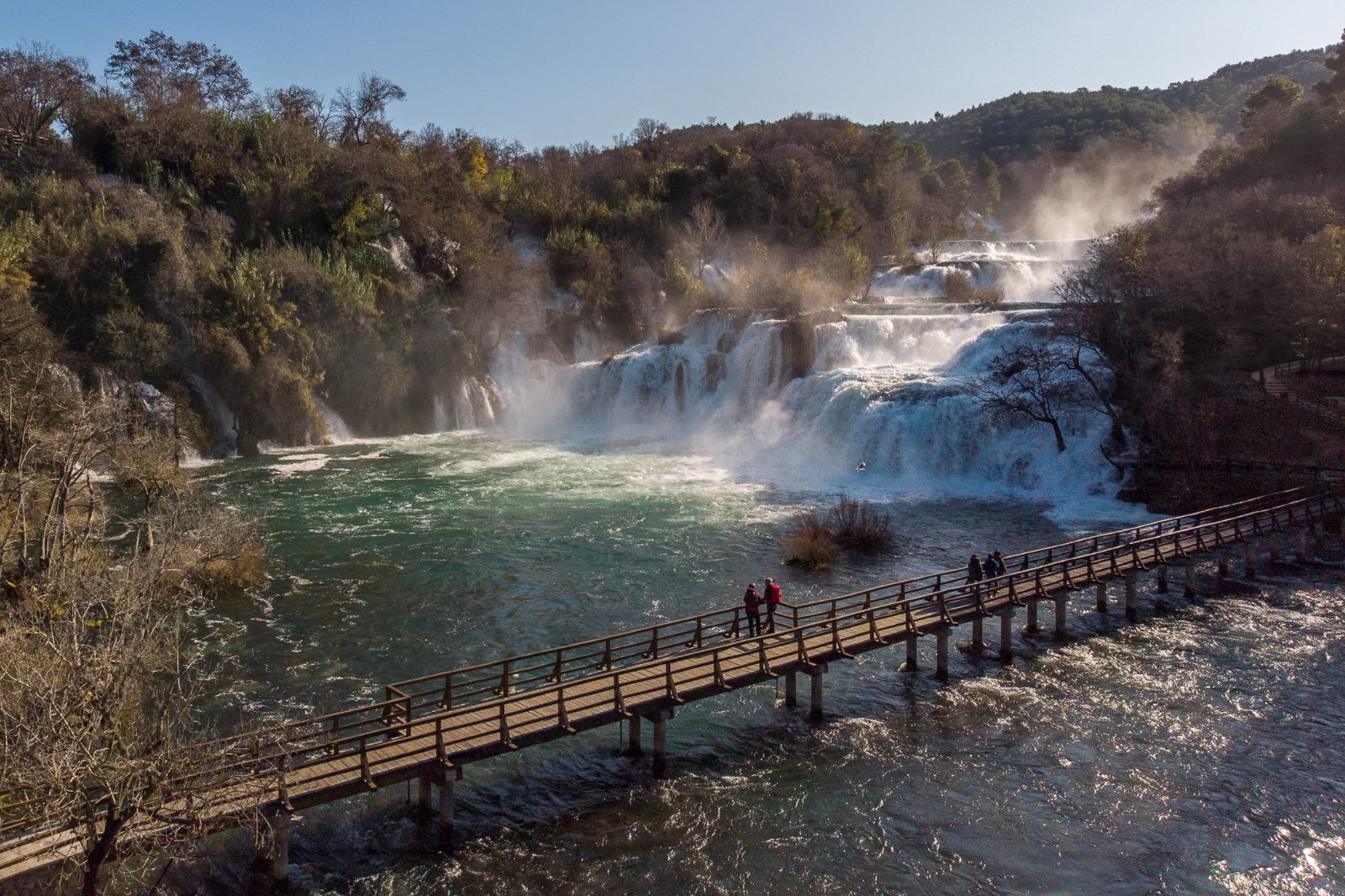
“The standard admission grants self-guided access to all public boardwalks, swimming zones below Skradinski Buk during permitted months, and the network of educational panels explaining the park's hydrology and endemic species.”
Krka Entrance Fee and Park Opening Hours
Krka National Park operates on a consistent schedule throughout the week, welcoming visitors daily from morning until evening.
| Monday | 08:00–20:00 | |
|---|---|---|
| Tuesday | 08:00–20:00 | |
| Wednesday | 08:00–20:00 | |
| Thursday | 08:00–20:00 | |
| Friday | 08:00–20:00 | |
| Saturday | 08:00–20:00 | |
| Sunday | 08:00–20:00 |
Optimal Timing to Pay Your Krka Entrance Fee
The best arrival window is 08:00–10:00 to avoid peak congestion and midday heat. Arriving early ensures better access to boardwalks before the park reaches full capacity.
Early Season (April–May)
Moderate crowdsMild temperatures (15°C–22°C)
Spring offers pleasant walking conditions with lower visitor density.
Peak Season (July–August)
Very high crowdsHot temperatures (28°C–35°C)
Expect heavy traffic on main pathways; early arrival is required.
Shoulder Season (September–October)
Lower crowdsCooler temperatures (18°C–25°C)
Autumn provides a balanced environment for exploring the waterfall areas.
Weekday Mornings
Low crowds—
Visiting mid-week at opening time avoids the primary influx of weekend tour groups.
Verdict: The best slot is Tuesday to Thursday, arriving at 08:00, during the months of April or October.
Logistics and Access After Paying the Krka Entrance Fee
Krka National Park is located near Šibenik, with its administrative headquarters situated at Trg Ivana Pavla II. br. 5, 22000 Šibenik, Croatia. Access to the main waterfalls and sites relies on a combination of park-operated bus and boat transport systems included with your entry.
A1 motorway to the Skradin or Lozovac exits
Regular service from Šibenik bus station to Skradin
Park-operated shuttle from Skradin pier to Skradinski buk
Park-operated shuttle from Lozovac entrance to Skradinski buk
Checklist for Visitors Before Paying the Krka Entrance Fee
Prepare these items before your visit to ensure smooth entry and a comfortable experience.
-
Wear closed-toe shoes with grip — Boardwalks can be slippery, and trails require stable footwear.
-
Bring valid ID or student documentation — You may need to verify eligibility for reduced rates at the entrance.
-
Apply sunscreen before arrival — Limited shade along the main pathways, especially in summer months.
-
Carry a refillable water bottle — Stay hydrated during walks; refill stations are available inside.
-
Check the weather and dress accordingly — Sudden rain can affect comfort on exposed boardwalks.
-
Arrive during the 08:00–10:00 window — Earlier arrival avoids peak crowds and midday heat.
Check availability
Frequently Asked Questions About Krka Entrance Fee
Everything you need to know about krka entrance fee